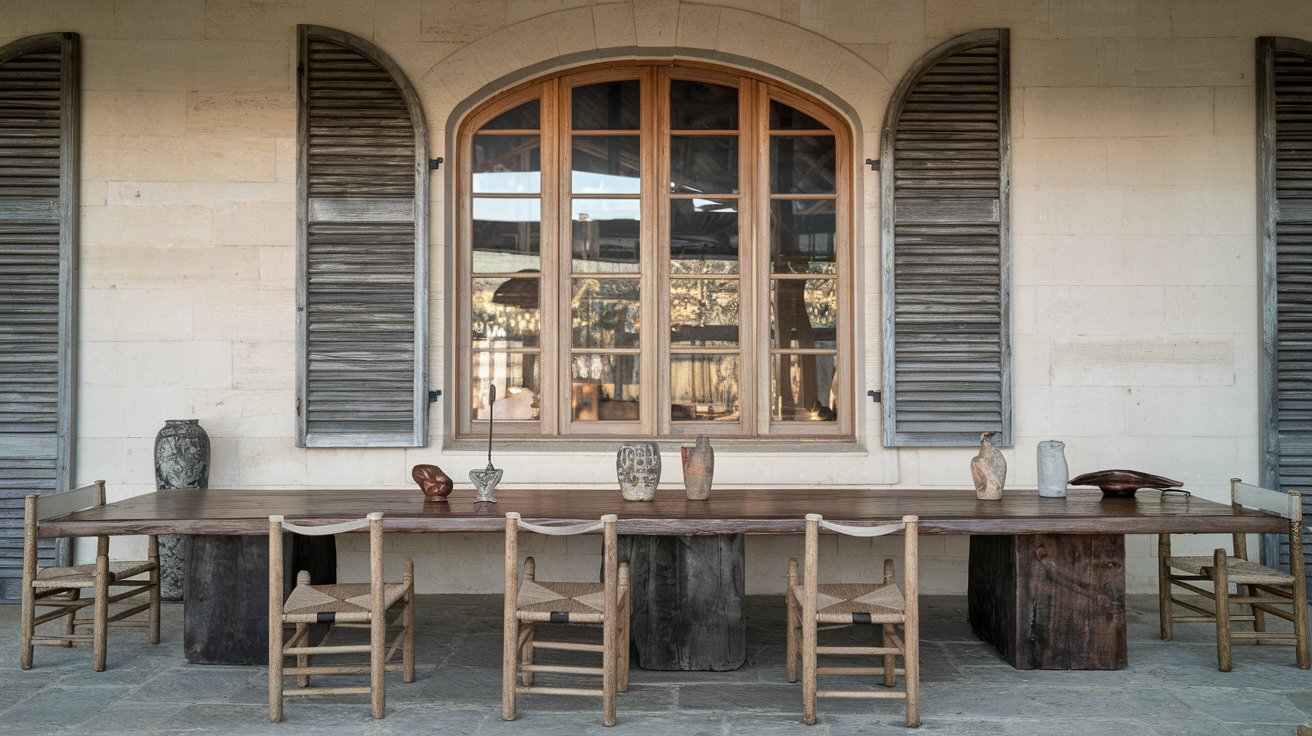
47 Stunning Dining Table Base Ideas for Every Style & Space
Choosing the perfect dining table base ideas can transform your eating space from ordinary to extraordinary. The right base not only provides structural support but also defines your room’s aesthetic, whether you’re seeking modern minimalism, rustic charm, or industrial sophistication. With countless options available in 2025, from sleek metal pedestals to handcrafted wooden trestle designs, finding the ideal foundation for your dining table has never been more exciting.
Popular Types of Dining Table Bases
Understanding the different types of dining table bases is crucial for making an informed decision. Each base style offers unique advantages in terms of stability, aesthetics, and functionality. Modern American homes in 2025 favor versatile designs that can adapt to changing decor trends while maintaining structural integrity. The most popular categories include pedestal bases, trestle designs, leg configurations, and contemporary metal options.
According to furniture industry data from 2024, pedestal bases account for 35% of dining table sales in the United States, followed by four-leg designs at 28%, and trestle bases at 22%. The remaining market share is split between X-bases, hairpin legs, and innovative hybrid designs that combine multiple materials and structural elements.
Pedestal Base Designs
The pedestal base remains the most sought-after option for round and oval tables, offering unparalleled legroom and visual elegance. Single pedestal designs work exceptionally well for tables up to 54 inches in diameter, while double pedestals can support rectangular tables up to 10 feet long. Modern pedestal bases incorporate materials like engineered wood, solid hardwood, and powder-coated steel for enhanced durability and style versatility.
Trestle Base Configurations
Traditional trestle bases have evolved significantly, now featuring contemporary interpretations that blend farmhouse charm with modern functionality. These bases consist of two or more supports connected by a horizontal beam, providing excellent stability for large rectangular tables. Contemporary trestle designs often incorporate metal accents, live-edge wood, or geometric cutouts that create visual interest while maintaining structural integrity.
X-Base and Cross-Leg Variations
The distinctive X-base design has gained tremendous popularity in 2024-2025, particularly among younger homeowners seeking statement pieces. These bases create dynamic visual lines and work exceptionally well with both modern and transitional decor styles. Cross-leg variations include single X-frames, double X-configurations, and asymmetrical designs that challenge traditional furniture conventions while providing robust support.
Modern Dining Table Base Ideas for Contemporary Homes
Modern dining table base ideas emphasize clean lines, minimal ornamentation, and innovative materials that reflect current design trends. Contemporary bases often feature geometric shapes, mixed materials, and unexpected proportions that create focal points in modern dining spaces. Steel, aluminum, and engineered composites are increasingly popular choices for homeowners seeking durability without sacrificing aesthetic appeal.
Floating bases, which create the illusion of tables hovering above the floor, represent the cutting edge of modern dining table design in 2025. These bases typically use hidden support systems, transparent materials like tempered glass, or ultra-thin metal profiles that minimize visual weight while maximizing structural performance.
Industrial-Inspired Metal Bases
Industrial metal table legs and bases continue dominating modern dining spaces, with black powder-coated steel leading preference surveys among American consumers. These bases often feature exposed welds, raw finishes, and geometric frameworks that celebrate manufacturing aesthetics. Popular configurations include hairpin legs, tubular steel frames, and architectural-inspired trestle designs that reference urban loft living.
Minimalist Geometric Bases
Geometric dining table bases featuring triangular supports, hexagonal columns, and diamond-shaped frameworks appeal to design-conscious consumers seeking unique statement pieces. These bases often incorporate negative space as a design element, creating visual lightness while maintaining structural integrity. Powder-coated finishes in matte black, white, and metallic tones complement contemporary color palettes.
Wood Dining Table Base Ideas and Natural Materials
Wood dining table base ideas remain timeless favorites, with 2025 trends favoring live-edge designs, reclaimed materials, and sustainable hardwood species. American consumers increasingly prioritize eco-friendly furniture options, driving demand for bases crafted from responsibly harvested oak, maple, walnut, and exotic woods with FSC certification. Natural wood bases offer warmth, durability, and the ability to complement virtually any decor style.
Reclaimed wood bases tell stories while reducing environmental impact, with barn wood, industrial timbers, and salvaged hardwoods creating unique character pieces. Modern wood table base designs often combine traditional joinery techniques with contemporary aesthetics, resulting in furniture that bridges generational style preferences while meeting current sustainability expectations.
Live-Edge and Natural Form Bases
Live-edge wood dining table bases celebrate natural tree forms, incorporating organic curves and bark edges that create one-of-a-kind pieces. These bases often feature tree trunk sections, root systems, or naturally curved branches that provide both structural support and artistic focal points. Walnut, oak, and maple remain popular species choices for their grain patterns and durability characteristics.
Traditional Turned Wood Pedestals
Classic turned wood pedestal bases feature intricate profiles created on lathes, offering timeless elegance that transcends design trends. These bases often incorporate fluted columns, bulbous centers, and decorative capitals that reference historical furniture styles. Modern interpretations may simplify traditional profiles while maintaining proportional relationships that create visual balance with contemporary table tops.
Small Dining Table Base Ideas for Compact Spaces
Small dining table base ideas require careful consideration of proportion, functionality, and space efficiency. Compact bases must provide adequate stability while minimizing visual weight and maximizing floor space in tight quarters. Pedestal designs generally work better than four-leg configurations in small spaces, as they eliminate corner leg interference and create more flexible seating arrangements around the table perimeter.
According to 2024 housing data, 42% of American households live in spaces smaller than 1,500 square feet, driving increased demand for small dining table solutions that don’t compromise style or functionality. Multi-functional bases that incorporate storage, adjustable heights, or folding mechanisms address space constraints while meeting diverse household needs.
Space-Saving Pedestal Options
Compact pedestal base designs maximize seating capacity while minimizing floor footprint, making them ideal for apartments, condos, and small homes. Slim profile pedestals, often measuring 24-30 inches in diameter, can support tables seating four to six people comfortably. Some designs feature weighted bases for stability without requiring extensive floor contact area.
Convertible and Adjustable Bases
Innovative small dining table bases now incorporate height adjustment mechanisms, allowing tables to function as both dining surfaces and work desks. These bases often feature gas cylinders, mechanical cranks, or telescoping posts that enable smooth transitions between different heights. Some models include tilting mechanisms for draft table functionality or storage compartments built into the base structure.
DIY Dining Table Base Ideas and Custom Solutions
DIY dining table base ideas have surged in popularity as homeowners seek personalized furniture solutions at affordable prices. Home improvement surveys from 2024 indicate that 38% of Americans have attempted furniture DIY projects, with dining table bases ranking among the most popular undertakings. Successful DIY bases require proper planning, appropriate materials, and basic woodworking or metalworking skills.
Popular table base ideas DIY projects include pipe and fitting bases using galvanized or black iron components, wooden trestle designs using standard lumber dimensions, and concrete bases cast in custom molds. These projects typically cost 50-70% less than comparable manufactured options while allowing complete customization of dimensions, finishes, and design details.
2×4 Lumber Base Construction
Many DIY enthusiasts ask ‘Can I use 2×4 for table legs?’ The answer is yes, with proper design considerations. Standard 2×4 lumber can create sturdy dining table bases when properly engineered and reinforced. Trestle designs work particularly well with 2×4 construction, as the horizontal beam distributes weight effectively. Proper joinery, diagonal bracing, and quality hardware ensure long-term stability and durability.
Plumbing Pipe Base Projects
Industrial-style dining table base DIY projects using galvanized or black iron pipe components offer excellent value and customization potential. These bases typically use standard plumbing fittings connected with threaded pipe sections, creating modular designs that can be easily modified or repaired. Popular configurations include H-frames, rectangular supports, and geometric patterns that complement industrial and modern decor styles.
Choosing the Right Base for Different Table Shapes
Selecting appropriate bases for different table shapes requires understanding weight distribution, aesthetic proportion, and functional requirements. Round tables work best with central pedestals, while rectangular tables may use trestle designs, four-leg configurations, or double pedestals depending on length and intended use. Square tables offer flexibility, working well with both central pedestals and four-corner leg arrangements.
Furniture designers recommend following specific proportion guidelines when matching bases to table tops. For round tables, pedestal diameter should measure 24-30% of the table diameter, while rectangular table bases should provide support points within 12-18 inches of each end for optimal stability and visual balance.
Round and Oval Table Bases
Round table bases almost universally benefit from pedestal designs that provide 360-degree clearance for chairs and optimal legroom distribution. Single pedestals work well for tables up to 54 inches diameter, while larger rounds may require double pedestals or substantial single bases with weighted bottoms. Oval tables follow similar principles but may accommodate trestle designs for very long configurations.
Rectangular Table Support Systems
Rectangular table bases offer the most variety, with options including four-leg designs, trestle configurations, double pedestals, and hybrid systems. Tables longer than 84 inches typically require either trestle support or double pedestal systems to prevent sagging and provide adequate stability. The base style should complement the table’s proportions while ensuring comfortable seating access along both long sides.
Extendable Dining Table Base Ideas
Extendable dining table base ideas must accommodate both compact and expanded configurations while maintaining stability throughout the size range. These specialized bases often incorporate sliding mechanisms, removable center sections, or expandable support systems that adapt to changing table dimensions. Modern extension systems can increase table length by 50-100% while preserving structural integrity and aesthetic appeal.
Popular extendable dining table mechanisms include butterfly leaf systems, removable center sections, and slide-rail extensions that operate smoothly with minimal effort. Some contemporary designs feature gas-assisted mechanisms or electronic controls that automate the extension process, making large tables practical for regular use in modern homes.
Related video about dining table base ideas
This video complements the article information with a practical visual demonstration.
Most asked questions about dining table base ideas
What to use instead of table legs for a dining table?
Instead of traditional table legs, you can use pedestal bases, trestle supports, metal pipe frameworks, concrete blocks, tree stumps, or even repurposed items like vintage sewing machine bases. Pedestal bases offer the best legroom and stability, while trestle designs work well for rustic or farmhouse styles. Industrial pipe bases create modern appeal, and concrete bases provide contemporary minimalist aesthetics.
What are the different types of pedestal bases for tables?
The main types of pedestal bases include single column pedestals (ideal for round tables up to 54 inches), double pedestal systems (perfect for rectangular tables), tulip bases with curved supports, geometric pedestals with angular designs, and weighted bases with wider footprints. Materials range from solid wood and engineered composites to metal and stone, each offering different aesthetic and functional benefits.
What to put under a dining table for stability and protection?
Under dining tables, you can place furniture pads to protect flooring, adjustable glides for leveling on uneven surfaces, rubber mats to prevent sliding, or decorative area rugs to define the space. For added stability, some bases benefit from cross-bracing, diagonal supports, or weighted bottom plates. Always ensure adequate clearance for chair movement and leg comfort.
Can I use 2×4 lumber for DIY dining table legs?
Yes, 2×4 lumber can create sturdy dining table bases when properly designed and reinforced. Use trestle configurations with horizontal bracing for best results, as they distribute weight effectively. Ensure proper joinery with carriage bolts or heavy-duty screws, add diagonal bracing for lateral stability, and consider laminating multiple 2x4s together for thicker, more substantial legs that can handle heavy loads.
How do I choose between wood and metal dining table bases?
Choose wood bases for warmth, traditional appeal, and easy customization through staining or painting. Wood works well with farmhouse, rustic, and traditional decor styles. Select metal bases for durability, modern aesthetics, and industrial styling. Metal requires less maintenance, offers superior strength-to-weight ratios, and complements contemporary and minimalist interiors. Consider your decor style, maintenance preferences, and budget when deciding.
What size base do I need for different dining table dimensions?
For round tables, pedestal diameter should be 24-30% of table diameter (36-inch table needs 9-11 inch pedestal). Rectangular tables require base support within 12-18 inches of each end for stability. Tables over 84 inches long need double pedestals or trestle designs. Square tables work with central pedestals if under 48 inches, or four-leg designs for larger sizes. Always prioritize structural integrity over aesthetics.
| Base Type | Best Table Shapes | Key Benefits |
|---|---|---|
| Pedestal Base | Round, Oval | Maximum legroom, elegant appearance |
| Trestle Base | Rectangular, Long tables | Excellent stability, farmhouse appeal |
| X-Base Design | Square, Small rectangular | Modern aesthetics, space efficiency |
| Four-Leg Base | All shapes | Universal compatibility, traditional style |


