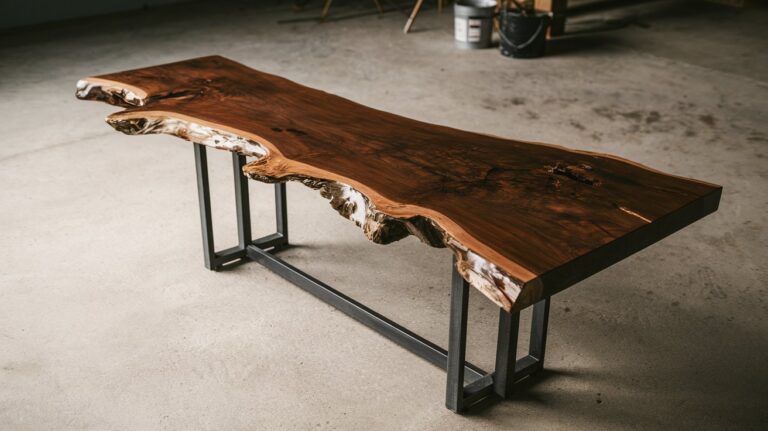
Black Epoxy Table Top: Complete Guide & DIY Tips 2025
A black epoxy table top combines modern aesthetics with exceptional durability, making it one of the most sought-after furniture finishes in 2025. Whether you’re creating a sleek coffee table or an elegant dining surface, black epoxy resin offers unlimited design possibilities while providing a protective, glossy finish that can last decades with proper application and care.
What Makes Black Epoxy Table Tops Special
The appeal of black epoxy table top designs lies in their versatility and sophisticated appearance. Black epoxy creates a mirror-like finish that reflects light beautifully while hiding minor scratches and dust better than clear alternatives. In 2025, American homeowners are increasingly choosing black epoxy resin for its ability to complement both modern and traditional interior styles.
The deep, rich color of black epoxy provides an elegant backdrop that makes wood grains, metallic accents, or embedded objects stand out dramatically. Unlike painted surfaces, epoxy table tops maintain their color consistency throughout the material thickness, ensuring long-lasting beauty even with heavy use.
Advantages Over Traditional Finishes
Black epoxy table top finishes offer superior protection compared to traditional wood stains or paint. The non-porous surface resists water damage, alcohol stains, and heat marks up to 200°F, making it ideal for dining tables and kitchen islands. Additionally, the seamless finish eliminates crevices where bacteria or food particles could accumulate.
Design Flexibility and Customization
Modern black epoxy table top projects can incorporate metallic powders, glow-in-the-dark pigments, or decorative elements like stones and shells. The self-leveling properties of quality epoxy ensure a perfectly smooth surface regardless of embedded materials, allowing for unique artistic expressions while maintaining functionality.
Black Epoxy Table Top Kits: What You Need to Know
A quality black epoxy table top kit typically includes pigmented resin, hardener, mixing cups, stir sticks, and detailed instructions. In 2025, leading manufacturers like EpoxyPlus and Stone Coat Countertops offer complete kits ranging from $89 to $299, depending on coverage area and included accessories. These epoxy table kits for beginners simplify the process by providing pre-measured components.
Professional-grade black epoxy table top kits often include UV stabilizers to prevent yellowing and advanced pigments that maintain color saturation over time. When selecting a kit, consider the final table size, as most standard kits cover 12-16 square feet at the recommended thickness of 1/8 inch.
Essential Kit Components
Quality black epoxy table top kits should include high-grade epoxy resin with a 2:1 mixing ratio, carbon black pigment for deep color saturation, and comprehensive safety equipment recommendations. Premium kits also provide bubble removal tools and detailed temperature guidelines for optimal curing in various climates across the United States.
Kit Size and Coverage Calculations
Most black epoxy table top kits specify coverage in square feet, but actual coverage depends on desired thickness and edge treatments. A one-gallon kit typically covers 12-16 square feet at 1/8 inch thickness, making it suitable for coffee tables or small dining surfaces. Larger dining tables may require multiple kits or bulk epoxy purchases for cost efficiency.
DIY Black Epoxy Table Project: Step-by-Step Guide
Creating a black epoxy table top requires careful preparation and attention to environmental conditions. Begin by ensuring your workspace maintains 70-75°F temperature with low humidity for optimal curing. Sand the wood surface to 220-grit smoothness and seal any knots or porous areas to prevent air bubbles from forming in the epoxy table surface.
The mixing process for black epoxy resin demands precision, as improper ratios can result in soft spots or incomplete curing. Mix components for exactly 3 minutes, scraping container sides frequently, then add black pigment gradually while mixing for another 2 minutes to achieve uniform color distribution.
Surface Preparation Techniques
Proper surface preparation determines the success of any black epoxy table top project. Clean the wood thoroughly with denatured alcohol, then apply a thin seal coat of clear epoxy to prevent air bubbles. This step is particularly important for porous woods like oak or pine, which can outgas during the curing process.
Pouring and Finishing Methods
Pour black epoxy resin in a serpentine pattern across the table surface, then use a plastic spreader to distribute evenly. Work quickly but deliberately, as most epoxy formulations provide 20-30 minutes of working time. Use a heat gun or propane torch to remove surface bubbles, keeping the flame moving to prevent overheating the epoxy surface.
Black Epoxy vs Clear Epoxy: Key Differences
The primary difference between black epoxy table top and clear epoxy extends beyond aesthetics. Black epoxy contains carbon black pigments that add opacity and depth while providing better UV protection than clear formulations. This makes black epoxy resin more suitable for tables placed near windows or in bright rooms where UV exposure could cause yellowing.
Clear epoxy showcases natural wood grain patterns, while black epoxy table tops create dramatic contrast that highlights embedded objects or metallic accents. From a practical standpoint, black epoxy hides minor scratches and dust better, making it more forgiving for high-traffic surfaces like dining tables or kitchen islands.
Durability and Longevity of Black Epoxy Tables
A properly applied black epoxy table top can last 20-30 years with normal use, significantly longer than traditional wood finishes. The cross-linked polymer structure of cured epoxy creates an incredibly hard surface that rates 3H on the pencil hardness scale, making it resistant to scratches from daily use while maintaining its glossy appearance.
Temperature resistance of quality black epoxy table tops extends to 200°F, allowing placement of hot dishes without permanent damage. However, extreme temperature changes can cause thermal expansion, so gradual temperature transitions help preserve the integrity of the epoxy surface over time.
Maintenance Requirements
Maintaining a black epoxy table top requires only basic cleaning with mild soap and water. Avoid abrasive cleaners or scrubbing pads that could dull the surface. Monthly cleaning with automotive car wax helps preserve the glossy finish and provides additional protection against minor scratches and UV exposure.
Common Wear Patterns and Solutions
While black epoxy table tops are extremely durable, high-wear areas may develop micro-scratches over years of use. These can be polished out using automotive compounds and a buffer, restoring the original gloss. For deeper scratches, light sanding with 2000-grit paper followed by polishing compound typically resolves the issue.
Cost Analysis: Black Epoxy Table Top Investment
The cost of creating a black epoxy table top varies significantly based on size, complexity, and material quality. DIY projects using quality kits typically cost $3-8 per square foot, while professional installation ranges from $15-35 per square foot in most US markets as of 2025. A standard 4×8 foot black epoxy dining table costs approximately $150-300 in materials for DIY completion.
Bulk epoxy purchases for large projects reduce per-square-foot costs substantially. Professional-grade black epoxy resin costs $45-75 per gallon, compared to $25-40 for hobby-grade formulations. The investment in higher-quality materials typically pays dividends in durability and appearance over the table’s lifetime.
Popular Black Epoxy Table Designs and Trends
Current trends in black epoxy table top design emphasize natural elements combined with modern aesthetics. River tables featuring black walnut epoxy combinations remain extremely popular, with the dark epoxy creating dramatic contrast against light wood grain. Live-edge designs paired with black epoxy resin offer organic shapes with contemporary appeal.
Metallic accents embedded in black epoxy table tops create luxury appearances reminiscent of high-end commercial furniture. Gold leaf, copper wire, or aluminum shavings suspended in black epoxy produce stunning visual effects under different lighting conditions, making each viewing angle unique and captivating.
River Table Designs
Black walnut epoxy river tables represent the pinnacle of epoxy artistry, combining premium hardwood with flowing black epoxy that mimics natural waterways. The contrast between warm walnut tones and deep black epoxy creates visual drama that serves as a centerpiece in any room. These designs require precise dam construction to contain the epoxy pour.
Geometric and Modern Patterns
Contemporary black epoxy table top designs incorporate geometric patterns, chevron arrangements, or abstract artistic elements. These patterns often combine multiple pour stages, creating depth and visual interest through layered effects. The precision required for geometric designs makes them popular choices for professional furniture makers.
Related video about black epoxy table top
This video complements the article information with a practical visual demonstration.
What you should know
What are the downsides of black epoxy tables?
The main downsides include initial cost, application complexity requiring precise mixing ratios, and sensitivity to temperature during curing. Black epoxy tables can also show fingerprints and water spots more readily than darker wood finishes, requiring regular cleaning to maintain their glossy appearance.
How much will 1 gallon of table top epoxy cover?
One gallon of table top epoxy typically covers 12-16 square feet at the standard 1/8 inch thickness. Coverage varies based on wood porosity, edge treatments, and desired thickness. Dense hardwoods require less epoxy than porous softwoods, which may absorb some resin during application.
Is there a difference between table top resin and epoxy?
Table top resin and epoxy are often the same product, though table top resin specifically refers to epoxy formulated for furniture applications. These formulations typically cure harder, have longer working times, and include UV stabilizers to prevent yellowing compared to general-purpose epoxy resins.
How long will epoxy last on a table?
A properly applied epoxy table top can last 20-30 years with normal use. Factors affecting longevity include application quality, environmental conditions, and maintenance practices. High-quality epoxy with UV protection in controlled indoor environments typically achieves maximum lifespan with minimal degradation.
Can you repair scratches in black epoxy table tops?
Yes, minor scratches in black epoxy table tops can be repaired using automotive polishing compounds and fine sandpaper. Deep scratches may require light sanding with 2000-grit paper followed by progressive polishing to restore the original gloss and appearance.
What temperature can black epoxy table tops withstand?
Quality black epoxy table tops can withstand temperatures up to 200°F without permanent damage. However, sudden temperature changes should be avoided as they can cause thermal expansion and potential cracking. Using trivets for hot dishes helps preserve the surface integrity over time.
| Key Aspect | Important Details | Benefit |
|---|---|---|
| Durability | 20-30 year lifespan with 3H hardness rating | Long-term investment value |
| Heat Resistance | Withstands 200°F temperatures | Practical for dining surfaces |
| Coverage | 1 gallon covers 12-16 sq ft at 1/8 inch | Cost-effective coverage |
| DIY Cost | $3-8 per square foot for materials | Affordable luxury finish |
| Maintenance | Simple soap and water cleaning | Low maintenance requirements |