Live Edge Entertainment Center: Complete 2025 Guide & DIY Tips
A live edge entertainment center combines the raw beauty of natural wood with functional media storage, creating a stunning focal point for modern homes. These unique furniture pieces preserve the tree’s original edge, offering an organic aesthetic that transforms any living space while providing practical storage for electronics and media equipment.
What Does Live Edge Mean in Furniture Design
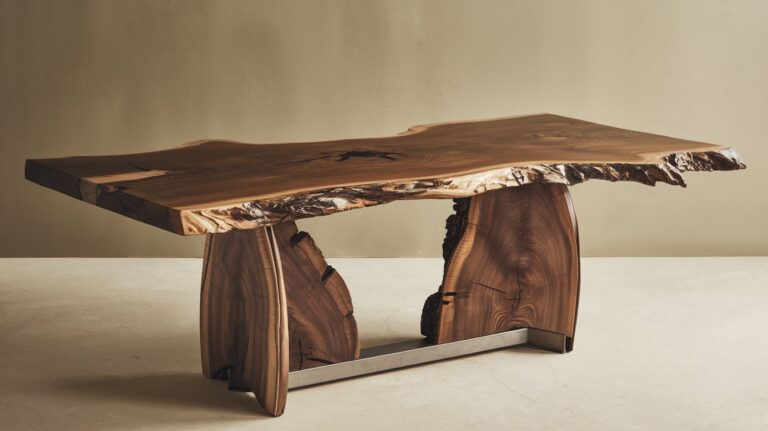
Live edge refers to a woodworking technique where the natural, unprocessed edge of a tree slab is preserved during furniture construction. Unlike traditional lumber that’s cut into uniform rectangles, live edge pieces maintain the organic curves, bark texture, and unique grain patterns that formed naturally as the tree grew. This approach celebrates the wood’s inherent character while creating distinctive furniture pieces.
The term gained popularity in the United States during the mid-2000s as homeowners sought more natural design elements in their interiors. Live edge entertainment centers showcase this philosophy perfectly, transforming what would be standard rectangular TV stands into artistic centerpieces that tell the story of the wood’s origin.
Live Edge Entertainment Center vs Traditional TV Stands
Understanding the key differences between live edge entertainment centers and traditional TV stands helps homeowners make informed decisions for their living spaces. Traditional stands prioritize uniformity and mass production efficiency, while live edge pieces emphasize uniqueness and natural beauty.
Standard TV stands typically measure 55-75 inches in length with precise geometric lines, costing between $200-800 in 2025. In contrast, live edge entertainment centers range from $800-3500 depending on wood species and craftsmanship level, with each piece featuring completely unique dimensions based on the original tree slab’s natural shape.
Construction Material Differences
Traditional entertainment centers rely on engineered wood products like MDF, particle board, or laminated surfaces that provide consistency but lack character. Live edge pieces utilize solid hardwood slabs from species like walnut, oak, maple, or exotic woods, ensuring each entertainment center possesses unique grain patterns, natural edge variations, and distinctive color variations that cannot be replicated.
Design Flexibility and Customization
Live edge entertainment centers offer superior customization opportunities compared to mass-produced alternatives. Craftsmen can incorporate specific dimensions to accommodate various TV sizes, add custom shelving configurations, or integrate cable management solutions while preserving the wood’s natural edge. This flexibility allows homeowners to create pieces that perfectly fit their space and storage requirements.
Popular Wood Species for Live Edge Entertainment Centers
Selecting the appropriate wood species significantly impacts both the aesthetic appeal and durability of live edge entertainment centers. Different species offer distinct grain patterns, color variations, and hardness levels that affect the finished piece’s appearance and longevity.
American hardwoods dominate the live edge furniture market in 2025, with black walnut leading popularity due to its rich chocolate tones and dramatic grain patterns. Oak remains a classic choice for its durability and traditional appeal, while exotic species like Brazilian rosewood or African mahogany command premium prices for their unique characteristics.
Walnut Live Edge Entertainment Centers
Black walnut represents the gold standard for live edge furniture, featuring deep brown heartwood with lighter sapwood creating natural contrast. Walnut’s moderate hardness makes it ideal for entertainment centers, providing excellent stability while remaining workable for custom modifications. Expect to invest $1200-2800 for quality walnut live edge entertainment centers in 2025.
Oak and Maple Alternatives
White oak and hard maple offer lighter color palettes perfect for contemporary or Scandinavian-inspired interiors. Oak’s distinctive grain patterns complement rustic and farmhouse aesthetics, while maple’s subtle grain provides a clean backdrop for minimalist designs. These domestic species typically cost 20-30% less than walnut while maintaining excellent durability for media furniture applications.
DIY Live Edge TV Stand Construction Guide
Building a DIY live edge entertainment center requires careful planning, proper tools, and basic woodworking skills. The project typically takes 2-4 weekends for intermediate woodworkers and costs $300-800 in materials depending on wood selection and hardware choices.
Essential tools include a circular saw, router, drill, orbital sander, and clamps. Safety equipment like eye protection, dust masks, and hearing protection remain crucial throughout the construction process. Consider renting specialized tools like thickness planers or wide belt sanders for professional-quality results.
Material Selection and Preparation
Source live edge slabs from reputable lumber dealers, sawmills, or specialty woodworking suppliers. Slabs should measure 2-3 inches thick for adequate strength, with lengths between 60-84 inches to accommodate modern TV sizes. Allow 6-12 months for proper air drying or kiln drying to achieve 6-8% moisture content, preventing warping and cracking after construction.
Assembly and Hardware Installation
Begin construction by flattening the slab using a router sled or wide belt sander to ensure uniform thickness. Install steel hairpin legs or custom steel bases using heavy-duty mounting hardware rated for furniture applications. Add internal shelving using matching wood or contrasting materials like metal brackets for industrial aesthetics. Cable management systems integrate seamlessly using routed channels or discrete cord organizers.
Live Edge Entertainment Center Styling Ideas
Incorporating a live edge entertainment center into existing home decor requires thoughtful consideration of complementary elements, color schemes, and surrounding furniture pieces. The natural wood’s organic character serves as either a subtle accent or dramatic focal point depending on styling choices.
Contemporary interiors benefit from pairing live edge pieces with clean-lined furniture and neutral color palettes that allow the wood’s natural beauty to shine. Industrial-style rooms accommodate live edge entertainment centers with metal accents, exposed brick, and darker color schemes that enhance the raw, organic aesthetic.
Modern Minimalist Integration
Minimalist spaces showcase live edge entertainment centers as sculptural elements rather than purely functional furniture. Pair sleek, low-profile designs with white or light gray walls, allowing the wood’s natural grain patterns to provide visual interest without overwhelming the clean aesthetic. Limit decorative accessories to maintain the uncluttered appearance essential to minimalist design principles.
Rustic and Farmhouse Applications
Rustic interiors embrace the organic imperfections inherent in live edge furniture, pairing entertainment centers with distressed finishes, vintage accessories, and natural textiles. Combine live edge pieces with reclaimed wood shelving, wrought iron hardware, and warm earth tone color palettes to create cohesive farmhouse-inspired living spaces that celebrate natural materials and traditional craftsmanship.
Maintenance and Care for Live Edge Furniture
Proper maintenance ensures live edge entertainment centers retain their beauty and structural integrity for decades. Natural wood requires specific care routines different from laminated or engineered furniture, particularly regarding moisture control, cleaning procedures, and periodic refinishing requirements.
Establish consistent maintenance schedules including monthly dusting with microfiber cloths, quarterly conditioning with appropriate wood treatments, and annual inspections for signs of wear or damage. Environmental factors like humidity fluctuations and direct sunlight exposure significantly impact live edge furniture longevity, requiring proactive protection measures.
Daily and Weekly Care Routines
Daily maintenance involves gentle dusting with lint-free cloths to prevent particle buildup that can scratch the wood’s surface. Weekly cleaning uses slightly damp microfiber cloths followed immediately by dry cloths to remove fingerprints and light stains. Avoid commercial furniture polishes containing silicones or waxes that can interfere with future refinishing efforts or create buildup over time.
Long-term Preservation Strategies
Annual maintenance includes inspecting the live edge surface for signs of cracking, checking hardware connections for looseness, and evaluating finish condition. Reapply penetrating oil finishes every 2-3 years or when the wood appears dry or loses its luster. Professional refinishing every 10-15 years restores the original appearance and provides enhanced protection against wear and environmental damage.
Where to Buy Live Edge Entertainment Centers in 2025
The live edge furniture market offers diverse purchasing options from custom craftsmen to retail chains, each providing different quality levels, pricing structures, and customization capabilities. Understanding available sources helps buyers find pieces that match their budget, timeline, and specific design requirements.
Local artisans and custom furniture makers typically provide the highest quality live edge entertainment centers with extensive customization options, though prices range from $1500-4000 and delivery times extend 8-16 weeks. National retailers offer more affordable options ($600-1800) with faster delivery but limited customization possibilities and potentially lower quality construction.
Related video about live edge entertainment center
This video complements the article information with a practical visual demonstration.
Key Questions and Answers
What does live edge mean in furniture?
Live edge refers to preserving the natural, unprocessed edge of a tree during furniture construction. Instead of cutting lumber into uniform rectangles, live edge pieces maintain the organic curves, bark texture, and unique grain patterns that formed naturally as the tree grew, creating one-of-a-kind furniture pieces with distinctive character.
Which is the best TV stand for modern homes?
The best TV stand depends on your style preferences and functional needs. Live edge entertainment centers excel for homeowners seeking unique, natural aesthetics with customization options. Traditional stands work better for budget-conscious buyers prioritizing uniform appearance and immediate availability. Consider room size, storage requirements, and decor style when selecting.
What is the difference between a sideboard and TV stand?
Sideboards traditionally serve dining rooms for food service and storage, typically measuring 32-36 inches high with deeper proportions. TV stands are specifically designed for media equipment, usually 24-30 inches high to position screens at optimal viewing angles. Live edge entertainment centers can function as either, depending on dimensions and configuration.
How much do live edge entertainment centers cost?
Live edge entertainment center prices vary significantly based on wood species, size, and craftsmanship quality. Entry-level pieces start around $800-1200, mid-range options cost $1200-2500, while premium custom pieces reach $2500-4000 or more. DIY construction reduces costs to $300-800 in materials but requires woodworking skills and tools.
Are live edge entertainment centers durable?
High-quality live edge entertainment centers made from solid hardwood provide excellent durability when properly constructed and maintained. Thick slabs (2-3 inches) with appropriate joinery and hardware can last generations with regular care. Quality depends significantly on wood species selection, moisture content, and construction techniques used.
Can I customize a live edge entertainment center?
Yes, live edge entertainment centers offer extensive customization possibilities. Custom builders can adjust dimensions to fit specific spaces, add shelving configurations for equipment storage, integrate cable management systems, and incorporate personalized hardware choices. This flexibility makes them ideal for unique room layouts and specific functional requirements.
| Key Aspect | Important Details | Benefit |
|---|---|---|
| Natural Edge | Preserves original tree contours and bark texture | Creates unique, unreplicable furniture pieces |
| Wood Species | Walnut, oak, maple offer different aesthetics | Matches various interior design styles |
| Customization | Adjustable dimensions and storage options | Fits specific spaces and requirements |
| Investment | $800-4000 price range in 2025 | Long-term value and durability |