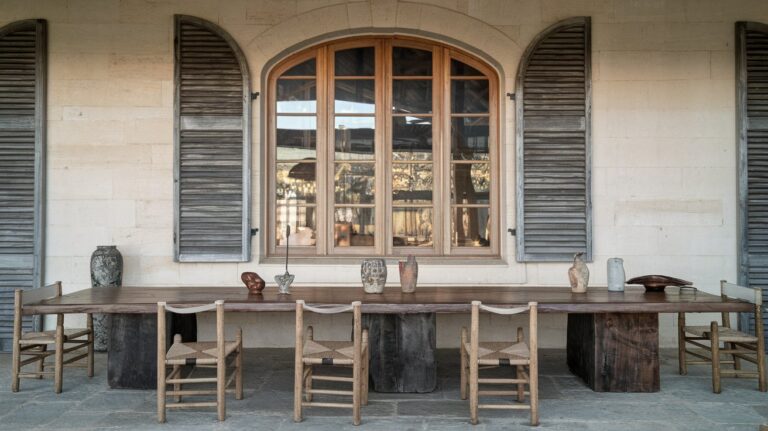
Live Wood Dining Tables: Complete Guide to Natural Edge Designs
A live wood dining table brings nature’s raw beauty into your dining space, featuring natural edges that showcase the wood’s original form. These stunning pieces combine rustic charm with modern functionality, creating a focal point that transforms any dining room into a warm, inviting space where memories are made.
What Makes Live Wood Dining Tables Special
A live edge dining table preserves the natural contours of the tree, displaying the organic curves and unique grain patterns that make each piece one-of-a-kind. Unlike traditional furniture that hides wood’s natural character, these tables celebrate imperfections like knots, burls, and irregular edges as design features. The live wood dining table concept originated from the mid-century modern movement but has experienced tremendous popularity in 2024-2025 American homes.
The construction process involves carefully selecting and preparing slabs from trees like walnut, oak, cherry, or maple. Skilled craftsmen preserve the bark edge while stabilizing the wood through proper kiln-drying techniques. This meticulous process ensures your live edge table remains stable and beautiful for generations, making it both an investment piece and conversation starter.
Popular Live Wood Dining Table Styles and Sizes
The round live wood dining table offers intimate seating arrangements perfect for smaller spaces or cozy dining experiences. These circular designs maximize the natural edge’s visual impact while creating better conversation flow among diners. Standard sizes range from 48 inches for four people to 72 inches accommodating eight guests comfortably.
For those needing flexibility, the live wood dining table extendable design combines natural beauty with practical functionality. These innovative pieces feature hidden leaf mechanisms that preserve the live edge aesthetic while expanding seating capacity from six to ten people. The extension system cleverly maintains the organic flow of the natural edge, ensuring the table remains visually cohesive whether contracted or expanded.
Rectangular Live Edge Tables
Rectangular live wood dining tables remain the most popular choice for American dining rooms in 2025. Standard dimensions include 8-foot lengths for six people, 9-foot for eight, and 10-foot options accommodating ten guests. The natural edge typically runs along the length, creating dramatic visual lines that draw the eye across the table’s surface while maintaining practical straight edges for seating.
Square and Oval Variations
Square live edge dining tables work exceptionally well in open-concept spaces, offering equal access from all sides while maintaining the organic edge appeal. Oval designs provide similar benefits to round tables but accommodate more guests, making them perfect for larger families seeking the intimacy of curved seating with expanded capacity.
Wood Species and Quality Considerations
American walnut remains the premium choice for live wood dining tables, prized for its rich chocolate tones and striking grain patterns. Black walnut slabs command prices between $15-25 per board foot in 2024, making a typical 8-foot table cost $3,000-6,000 depending on thickness and quality. The natural durability and aging characteristics make walnut an excellent long-term investment.
White oak offers exceptional strength and lighter coloring, perfect for Scandinavian or farmhouse-inspired interiors. Cherry wood provides warm reddish tones that deepen with age, while maple delivers lighter, more subtle grain patterns ideal for contemporary spaces. Each species requires specific finishing techniques to enhance the natural live edge table characteristics while ensuring longevity.
Exotic Wood Options
Brazilian rosewood and teak offer exotic alternatives for discerning buyers seeking unique live wood dining tables. These species provide exceptional durability and distinctive grain patterns but come with higher costs and longer lead times. Sustainable sourcing certifications ensure your exotic wood purchase supports responsible forestry practices.
Domestic Hardwood Benefits
Domestic species like ash, hickory, and elm provide excellent alternatives with shorter supply chains and lower environmental impact. These live edge dining tables often feature more affordable pricing while supporting American forestry operations. The natural variations in domestic hardwoods create unique character that rivals imported species.
Live Wood Dining Table Set Configurations
A complete live wood dining table set typically includes matching benches or chairs that complement the table’s natural aesthetic. Live edge benches provide seamless visual continuity and maximize seating efficiency, accommodating more guests than individual chairs. The bench height should align with the table surface, typically 17-18 inches for standard 30-inch table height.
Mixed seating arrangements combine live edge benches with upholstered chairs, creating visual interest while maintaining comfort. This approach allows the live wood dining table set to anchor the room while providing flexible seating options for different occasions. Consider traffic flow and room dimensions when selecting between benches, chairs, or combination arrangements.
Where to Buy Live Wood Dining Tables
Major retailers like Costco now offer live edge dining tables at competitive prices, with quality pieces starting around $1,200 for smaller sizes. The Live Edge Dining Table Costco selection includes popular brands like Bayside Furnishings and Hillsdale, providing warranty protection and accessible customer service for mainstream buyers seeking natural wood furniture.
Canadian retailers offer excellent options for border states, with Live Edge Dining Table Canada suppliers providing unique maple and birch selections. Ontario-based manufacturers specialize in locally-sourced hardwoods, offering live edge dining table Ontario pieces that support regional craftsmanship while reducing transportation costs and environmental impact.
Regional Specialty Retailers
Live Edge dining Table Vancouver artisans create stunning pieces from Pacific Northwest cedar and fir, offering unique grain patterns and natural coloring. These regional specialists understand local wood characteristics and climate considerations, ensuring your table performs optimally in your specific environment.
Online vs. Local Purchases
Online purchases offer broader selection and competitive pricing for live wood dining tables, but local showrooms provide hands-on evaluation of grain patterns, finish quality, and craftsmanship details. Many successful buyers combine online research with local viewing, ensuring they select the perfect piece for their specific needs and space requirements.
Maintenance and Care Guidelines
Proper maintenance preserves your live wood dining table’s natural beauty for decades. Monthly cleaning with mild soap and damp cloth removes surface dirt without damaging the finish. Avoid harsh chemicals or excessive moisture that can penetrate the live edge and cause splitting or discoloration. Immediate cleanup of spills prevents staining and water damage.
Annual conditioning with appropriate wood oil or wax maintains the finish and enhances grain patterns. The live edge table requires special attention to the natural edge area, where bark or rough surfaces can trap debris. Professional refinishing every 5-7 years restores the original luster and addresses minor scratches or wear patterns that develop through normal use.
Design Integration and Styling Tips
Integrating a live wood dining table requires balancing its natural character with existing décor elements. The organic edges work beautifully with both rustic farmhouse and sleek contemporary designs, serving as a bridge between natural and refined aesthetics. Consider the table’s grain patterns and natural edge shape when selecting complementary lighting and accessories.
Color coordination depends on wood species and finish selection. Darker walnut live edge dining tables pair excellently with lighter wall colors and metallic accents, while lighter oak or maple pieces complement deeper, richer room tones. The natural imperfections become design features when properly showcased through strategic lighting and minimalist styling approaches.
Investment Value and Market Trends
The live wood dining table market has experienced steady growth throughout 2024-2025, with quality pieces appreciating in value as natural wood becomes increasingly scarce. Handcrafted American-made tables retain value better than mass-produced imports, making them sound long-term investments for homeowners prioritizing quality and sustainability.
Current market trends favor larger sizes and mixed-material designs combining wood with metal bases or glass elements. The live edge table concept continues evolving with innovative base designs and integrated technology features like built-in charging stations or LED accent lighting that enhance functionality without compromising natural beauty.
Related video about live wood dining table
This video complements the article information with a practical visual demonstration.
Most asked questions about live wood dining table
How much does a quality live wood dining table cost?
Quality live wood dining tables range from $1,200-8,000 depending on size, wood species, and craftsmanship. Costco options start around $1,200, while custom walnut pieces can exceed $6,000. Factors affecting price include slab thickness, grain quality, finish complexity, and base design. Domestic hardwoods typically cost less than exotic species while maintaining excellent durability and beauty.
What size live wood dining table should I choose?
Table size depends on room dimensions and seating needs. Allow 36 inches around the table for comfortable movement. An 8-foot table seats 6 people, 9-foot accommodates 8, and 10-foot seats up to 10. Round tables require more space but create better conversation flow. Measure your room carefully and consider extendable options for flexibility.
How do I maintain the natural edge on my dining table?
Clean the live edge gently with a damp cloth and mild soap monthly. Avoid harsh chemicals that can damage the natural wood fibers. Apply appropriate wood conditioner annually to preserve the finish and prevent cracking. Address spills immediately and use coasters to prevent water rings. Professional refinishing every 5-7 years maintains optimal appearance.
Can live wood dining tables work in modern homes?
Absolutely! Live wood dining tables complement modern design by adding organic warmth to clean, minimalist spaces. The natural edge provides visual interest against sleek surfaces and geometric forms. Pair with contemporary chairs and metallic accents for successful integration. The contrast between natural and refined elements creates sophisticated, balanced interiors.
Are extendable live wood dining tables available?
Yes, extendable live wood dining tables combine natural beauty with practical functionality. These designs use hidden leaf mechanisms to expand seating capacity while maintaining the live edge aesthetic. Quality models preserve the organic flow when extended, typically expanding from 6 to 10 person capacity. Prices start around $2,500 for well-engineered extendable options.
What wood species work best for live edge dining tables?
American walnut leads for premium tables with rich grain and durability. White oak offers strength and lighter coloring, while cherry provides warm tones that deepen with age. Maple delivers subtle patterns perfect for contemporary spaces. Each species requires specific finishing techniques. Choose based on desired color, grain pattern, budget, and room aesthetic preferences.
| Key Aspect | Important Details | Benefit |
|---|---|---|
| Natural Edge Design | Preserves original tree contours and grain patterns | Creates unique, one-of-a-kind furniture pieces |
| Wood Species Options | Walnut, oak, cherry, maple with varying characteristics | Matches any décor style and budget range |
| Size Flexibility | Round, rectangular, extendable configurations available | Accommodates different spaces and seating needs |
| Investment Value | Quality pieces appreciate over time with proper care | Long-term furniture investment and family heirloom |
| Maintenance Requirements | Monthly cleaning, annual conditioning, professional refinishing | Preserves beauty and extends table lifespan |